Skip to content
Early access. Anyone can sign in and start a campaign on the free plan; a player's seat still arrives as a link from their DM.

The campaign wiki that is fast enough to use at the table.

Record

Typed, directional edges

The reveal engine

Per member, not per role

The ledger

Balances derived, never typed in

Logistics

Quorum, not a majority vote

A campaign wiki, a reveal engine, an operations ledger and the logistics of getting five people around a table on the same Sunday.

A hand-drawn map on translucent paper, lit from one side, with the ruled lines of the page beneath it showing faintly through.

The campaign wiki that is fast enough to use at the table.

A campaign wiki, a reveal engine, an operations ledger and the logistics of getting five people around a table on the same Sunday.

  • RecordTyped, directional edges
  • The reveal enginePer member, not per role
  • The ledgerBalances derived, never typed in
  • LogisticsQuorum, not a majority vote
One entity, two readers. The sealed passage is not hidden on the player’s copy - it was never sent to it.
Built for one table firstPlayers never payRedaction happens in the database

Six sessions in, nobody remembers the innkeeper’s name. Sixty sessions in, nobody remembers which of them was told about the cellar, and the person running the game is keeping both in their head along with the calendar.

Invited to a table? Your seat is a link from your DM - opening it is the whole process. Already taken it? Sign in and your campaign is where you left it.

Running a game? Start a campaign on the free plan: two campaigns, every layer, no player cap, export included. The same link that signs you in starts your account - there is no separate sign-up and no password, ever.

§ 01 · Who it is for

A long campaign, and the person carrying it

Deliberately narrow. This is built for one fortnightly group first and tested there honestly before it is offered to anybody else.

The person who runs the game
You are carrying the world, the secrets, the money and the calendar, and the calendar is what actually kills campaigns.
A campaign that runs for years, not weeks
A long campaign outgrows memory. What was said in session six is still on the Record in session sixty, the way it was said.
A table that meets fortnightly, on a good month
Half the work of a fortnightly game is scheduling it and the other half is remembering what happened last time.
Players who want their own copy
Every player gets an encyclopedia containing what they actually know, which is a different document for each of them.

§ 02 · The product

Four layers

The Record is the noun and the reveal engine is the verb. The other two are what a long campaign accumulates whether or not anybody is tracking them.

Layer 01

Record

Every noun in your world is an entity, and every entity is typed.

People, places, factions, items, events. You define what fields a type has, so a setting with houses and holdings does not have to pretend it is a setting with classes and levels. Relations are typed and directional, so "swore an oath to" is not the same edge as "is owed a debt by", and the force graph draws what is actually there.

Typed, directional edges

Index cards laid out on a pale wooden table, pencil arrows drawn on the wood between them, one card blue among the white ones.

Layer 02

The reveal engine

Information is concealed, then revealed, per member and not per role.

Sealed material comes off in three sizes: a whole entity, a single field, stat or relation, or an inline block in the middle of a paragraph. Revealing is per person, so the one player who bribed the harbourmaster knows something the rest of the table does not. Every player's encyclopedia is genuinely a different encyclopedia.

Per member, not per role
A sheet of paper with paper strips laid across it. One strip has been peeled back, and the handwriting it was covering is now showing.

Layer 03

The ledger

Gold, inventory, shops, loot and upkeep are double-entry.

Every movement is a transaction whose entries sum to zero per asset, so party gold and a character's purse cannot disagree. Balances are derived, never stored, which means there is no number anybody has to remember to update. A shop is an account. Loot is a transaction. Upkeep is a recurring one.

Balances derived, never typed in
An open notebook ruled into two columns of ticked entries, a blue ribbon marker, and a small stack of coins beside it.

Layer 04

Logistics

Scheduling with quorum, attendance, and a calendar feed per person.

Propose dates, collect availability, and see the quorum line rather than a majority vote. Each member gets their own calendar feed, so the game appears in the calendar they already use. Attendance is recorded against the session, which is what makes "who was there when the cellar came up" answerable two years later.

Quorum, not a majority vote
A hand-drawn grid of empty squares on paper with four dates ringed in pencil and one ringed in blue, and four blank slips fanned beside it.
  • The harbourmaster
  • Greyhollow
  • House Ashcroft
  • The second ledger
  • The drowned road
  • Ashcroft’s clerk
  • The wine cellar
  • The oath at Kettleford

§ 03 · Built on top

Strongholds, the between-session turn, and the table itself

Each of these is built on two of the layers rather than sitting beside them, which is why they are here and not counted as a fifth.

Strongholds
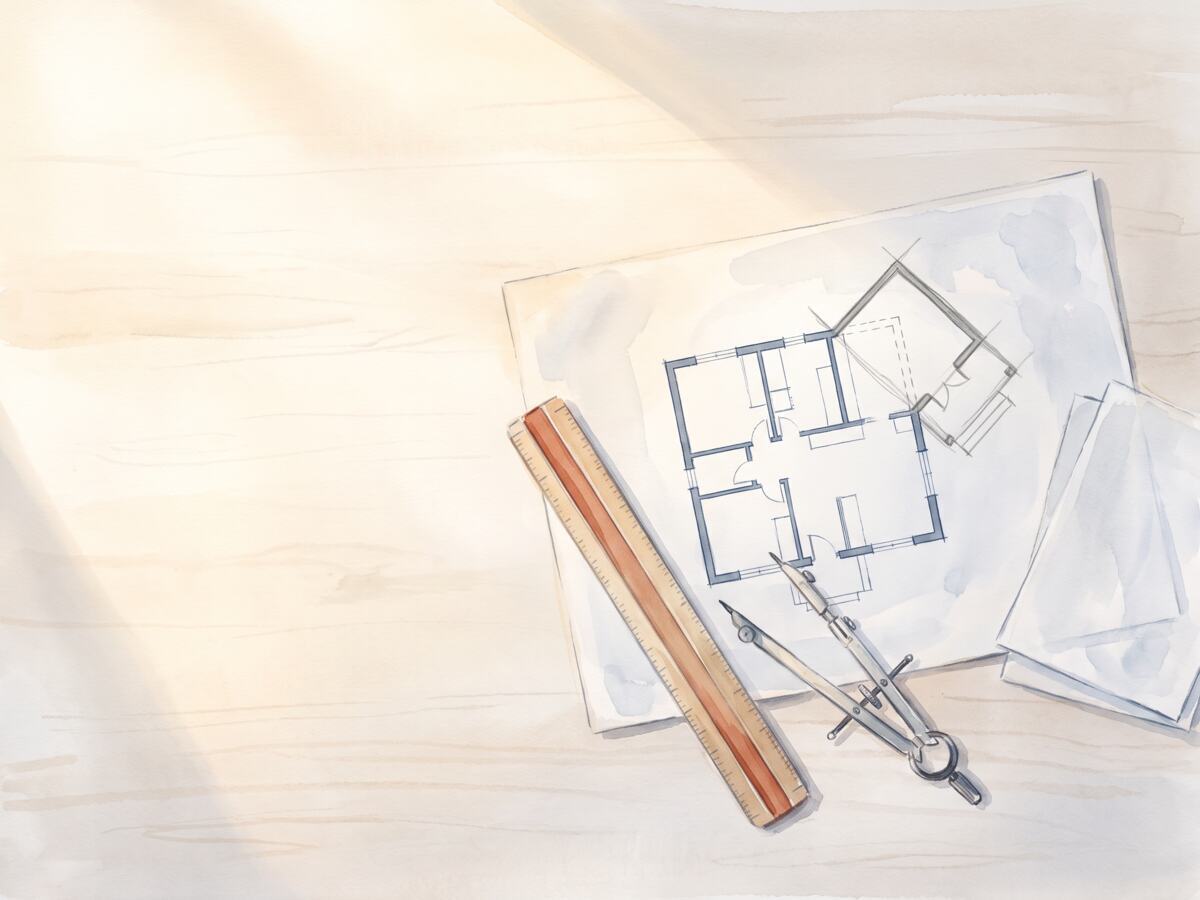
A hand-drawn floor plan on tracing paper with one wing sketched in as an addition, a ruler and a pair of dividers resting across it.

A keep, a ship, a guild hall. Facilities, a roster, and a turn that advances between sessions rather than during one.

Interlude
A shallow wooden tray of folded notes held together by a blue band, with one note lying open beside it and a pencil across the tray.

Players submit downtime orders between sessions. Orders resolve into ledger movements, items, favours that can be spent later, or a reveal of something they did not know. The time between sessions becomes part of the campaign instead of a gap in it.

Table Mode
The middle of the table swept clear, everything pushed to the edges, one card held flat under two fingertips with a blue die beside it.

The at-the-table view. Dark, larger targets, no editing, and no network round trip on the critical path. This is the whole competitive claim: fast enough that you actually open it mid-session instead of guessing.

§ 04 · Where it is up to

Running, in early access

Campaigns are live: sign-in, seats, the Record, the reveal engine, sheets and scheduling all serve real requests. Anyone can start a campaign on the free plan; two real tables keep testing it honestly.

4 capabilities have been checked against the live database, 31 are written and reviewed, 4 are designed and not yet built, and 3 are things that were considered and deliberately left out. Every one of them is listed by name, with its state beside it, on the pricing page and in the feature register.

A line only moves to RUNNING on the day its acceptance criteria were actually run. Not on the day the code was written, and not on the day it looked finished.

Read the whole feature list, with states

§ 05 · Boundaries

What it is not

Stated here rather than discovered after signing up. Every one of these is a thing somebody will otherwise assume.

  • Not a virtual tabletop. There are no tokens, no grid, no initiative tracker and no dice roller at the centre of it.
  • Not a character builder. It reads a sheet and does arithmetic on it; it does not know your system’s levelling rules.
  • Not a rules reference. The only rules material it ships is the SRD, under its open licence and with the attribution shown; nothing is scanned, and what a DM adds to their own rulebook stays in that campaign.
  • Not a play-by-post platform. It assumes you meet, in a room or on a call, on a date.
  • Not a social network. There is no feed, no discovery, and no way to find another table from inside it.

§ 06 · The way in

Start your table

The free plan is not a trial: two campaigns, every layer, no player cap, and export included, because a free plan you cannot leave is a trap.

Type your email on the sign-in page and open the link it sends you. That is the whole process - the same link that signs you in starts your account, and your players never pay, and are never asked.

Start a campaign · What the plans hold